

Every day, wound care practitioners see patients with life- and limb-threatening wounds. It’s a highly diverse group of patients because there’s almost no limit to the awful things that can happen to a person such as crush injuries, severe open fractures, amputations that go badly, foot ulcers that expose bone, and plastic surgical procedures that do not go as planned. It’s a long and diverse list of horrible problems but what they all have in common is tissue ischemia. Under the aegis of the Undersea and Hyperbaric Medical Society (UHMS), and with the leadership of Dr. Marissa Carter and Kris Eckert, a landmark systematic review has been completed which concludes that that hyperbaric oxygen therapy (HBOT) may be one of the most important tools we have for this diverse group of patients. The study was just published in Plastic and Reconstructive Surgery Global Open and is the most comprehensive meta-analysis of HBOT in patients with severe soft tissue injuries (STIs), analyzing data from 24 studies, 13 of which were randomized controlled trials (RCTs). Using the GRADE framework to assess evidence and formulate recommendations, evidence quality ranged from very low to moderate, but the clinical situations are often life- and limb-threatening (LLT), which affects how GRADE is applied.
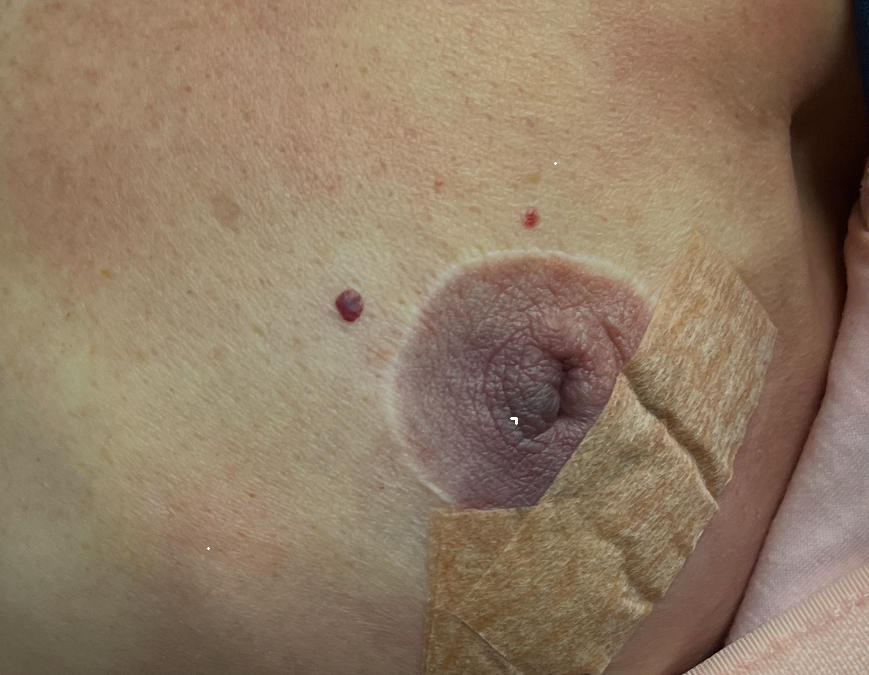
Hyperbaric oxygen therapy (HBOT) has been used successfully for these issues for decades – and in many cases, there really isn’t an alternative treatment. There is no pill or infusion that can raise oxygen levels in ischemic tissues. However, clinicians often find either the referring doctors are skeptical of the potential benefit of HBOT, or that the payers don’t want to cover it arguing that the evidence isn’t strong enough. A systematic review of such an important and clinically significant topic represents a significant milestone in the clinical management of patients, especially for highly vulnerable patients like breast cancer survivors. Many women who have battled breast cancer with chemotherapy and radiation must then face mastectomy, either nipple sparing or with immediate reconstruction. These photos of Dr. Gelly’s show a woman who underwent a left-sided mastectomy with placement of a tissue expander and developed a dark, ecchymotic (ischemic) nipple. Notice the retraction of the left breast and the post-radiation fibrosis. Two days after surgery, the left nipple was ischemic (bluish in color). The closeup photos show the nipple before and after 3 hyperbaric oxygen therapy treatment. After only 3 treatments, the nipple color is normal. Remember that if the nipple dies, multiple plastic surgical procedures may be needed to create something that resembles but cannot fully imitate the lost tissue. Yet, we may have to fight for insurance authorization to provide what is probably the only available treatment for tissue ischemia because payers often demand to see a systematic review of the literature when they make coverage decisions. We hope this paper will help.
The central clinical question was framed as it always is for systematic reviews: Does HBOT help or harm patients with severe soft tissue injuries who need skin flap or graft surgery? The answer was clear and consistent that HBOT incurs a beneficial effect in saving lives and limbs in patients with STIs serious enough to consider skin flaps and grafts.
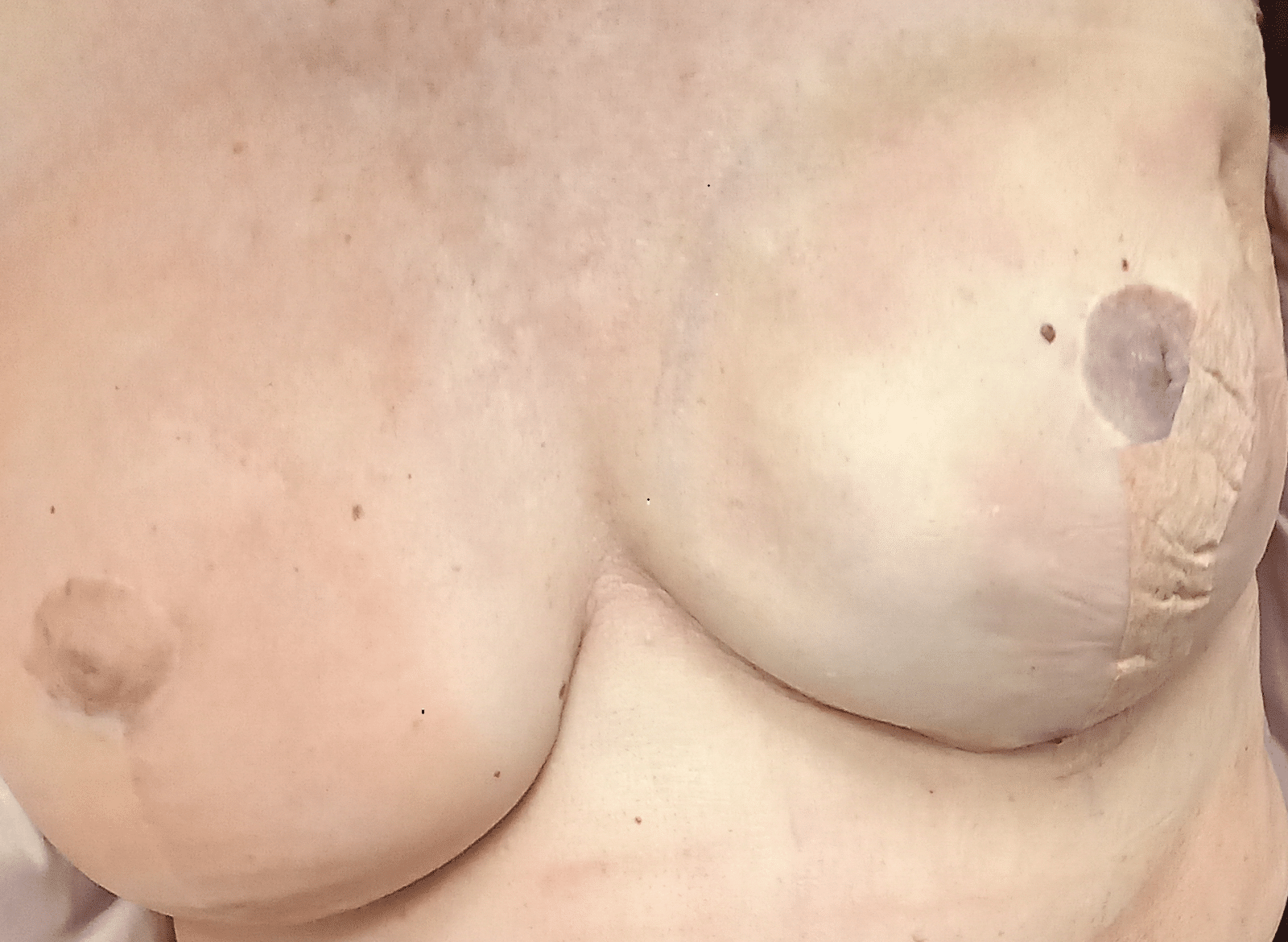
Left-sided mastectomy with tissue expander, dark ecchymotic nipple, notice the retraction of the left breast and the post-radiation fibrosis: 2 days postoperative
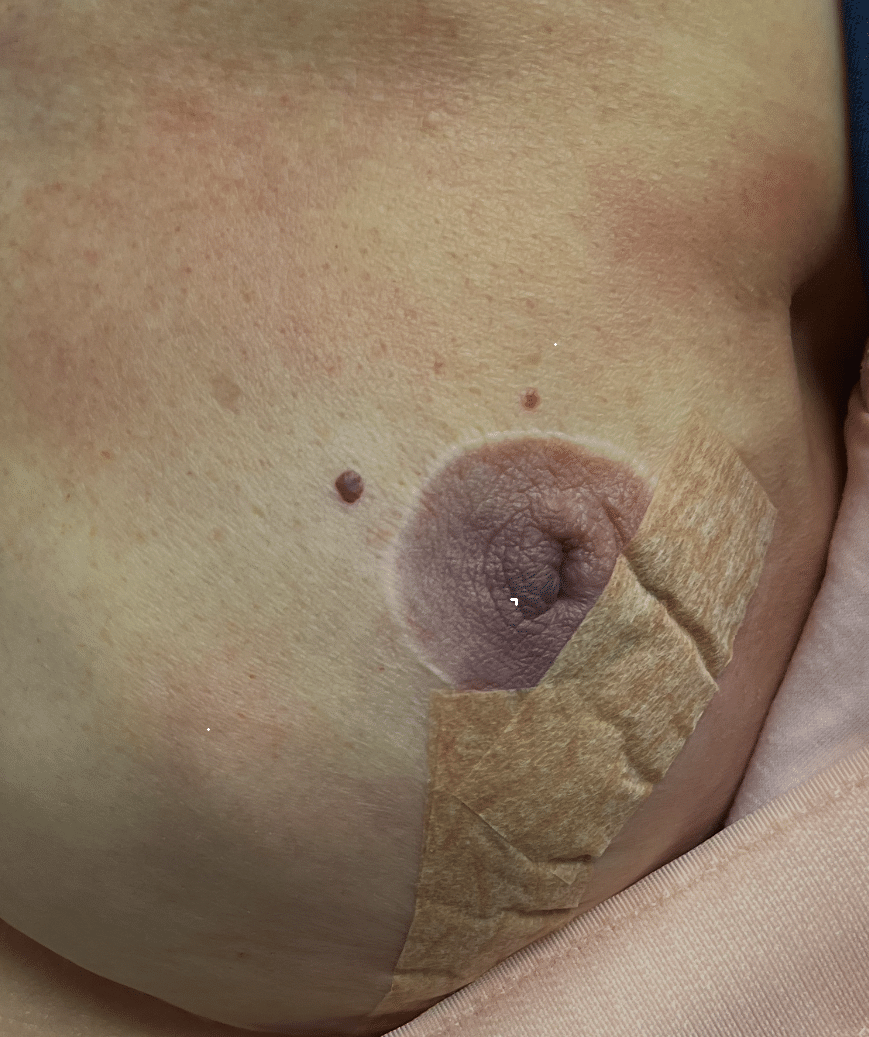
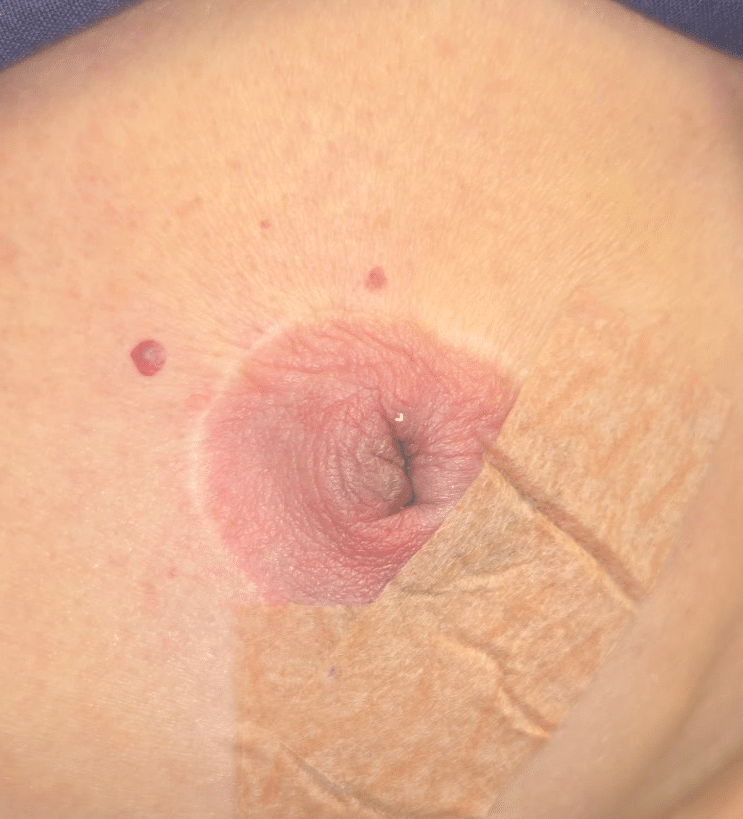
After 3 hyperbaric treatments
Key Results
- HBOT Dramatically Improves Flap and Graft Survival: Patients were roughly 8–10 times more likely to have successful flap survival with HBOT than without it
- Every Randomized Controlled Trial Favored HBOT: All 13 RCTs included in the review showed statistically significantly better healing rates in favor of HBOT (P < 0.05).
- HBOT Works Both Before and After Surgery: While traditionally, HBOT has been used postoperatively for compromised flaps and grafts, preoperative HBOT can help heal severe soft tissue injuries that would otherwise need flaps or grafts, may reduce the need for flap/graft surgery, and can reduce the risk of postoperative complications when surgery is still needed.
- HBOT has benefit Across Many Wound Types. Despite this diverse list of problems, 75% of studies found significantly better healing rates with HBOT.
- Nonsurgical traumatic wounds and open fractures
- Crush injuries
- Surgically managed diabetic foot ulcers (Wagner Grade 3 and 4)
- Burns
- Pressure injuries
- Radiation injuries
- Hypospadias repair and other surgical wounds
HBOT is strongly recommended to:
- Heal flaps and grafts in STIs/trauma wounds
- Reduce postoperative complications in:
- Nonsurgical trauma wounds
- Severe crush injuries
- Exposed fractures
- Reduce the need for additional or major procedures in severe crush injuries
- Reduce the need for additional or major procedures in surgically managed Wagner Grade 3–4 diabetic foot ulcers
- Promote healing in severe crush injuries, severe exposed fractures, and surgically managed Wagner Grade 3–4 DFUs, including preoperative use
Postoperative HBOT is usually covered by payers for compromised flaps and grafts but clinicians caring for these patients can find themselves caught up in frustrating prior authorization requirements. We think this paper will help practitioners as they struggle with prior authorization and as they discuss cases with surgeons and referring practitioners.
Caroline

Dr. Fife is a world renowned wound care physician dedicated to improving patient outcomes through quality driven care. Please visit my blog at CarolineFifeMD.com and my Youtube channel at https://www.youtube.com/c/carolinefifemd/videos
The opinions, comments, and content expressed or implied in my statements are solely my own and do not necessarily reflect the position or views of Intellicure or any of the boards on which I serve.