

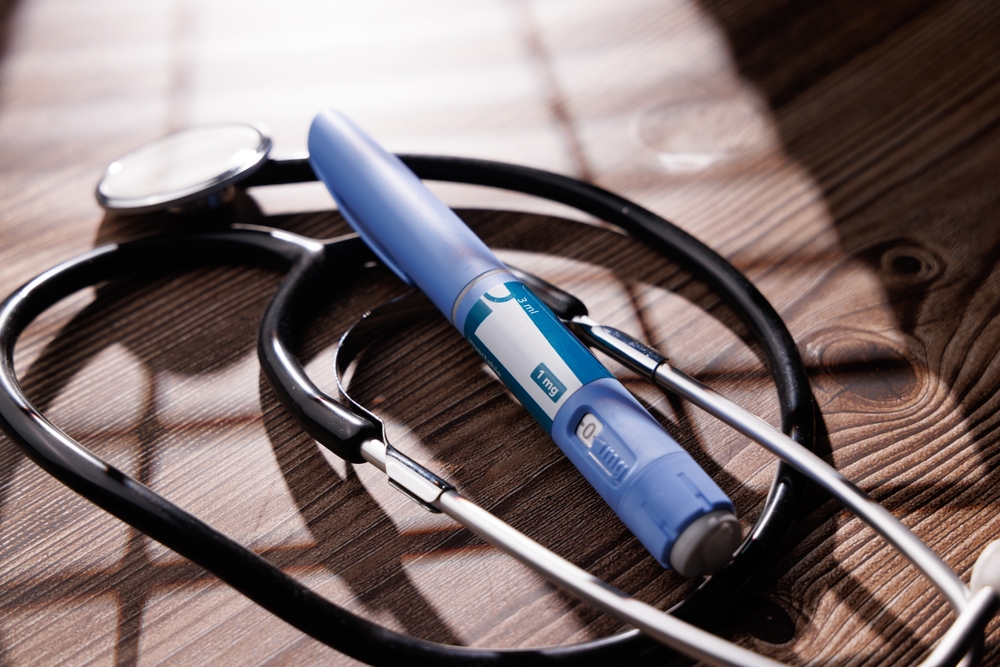
Since most patients with chronic non-healing wounds are obese, I have been watching the “GLP-1 revolution” with interest. I have described the hopeless feeling of seeing one obese patient after another with chronic wounds (some of whom fall asleep while you are talking to them due to untreated sleep apnea). Yes, this is a multifactorial problem that won’t be fixed with any pill or shot, but advice around “lifestyle modification” has had little impact. So, even though the emergency rooms may be full of patients with gastric side effects and there have been rare cases of sudden blindness, the risks of obesity still seem to outweigh the risk of the GLP-1 RA medications. Treatment with GLP-1 RAs may lower the risk of stroke and heart attack in obese patients, improve sleep apnea, reduce inflammation, and possibly reduce peripheral arterial disease related events when compared to other antidiabetic agents. Although Medicare expanded coverage of GLP-1 RA drugs to obese, non-diabetic patients with heart disease, until now, Medicare has not covered drugs for weight loss. That changed on July 1.
Under the Medicare GLP-1 Bridge, a time-limited demonstration, CMS is expanding access to evidence-based weight-loss treatments for obese patients. Eligible individuals enrolled in Medicare Part D prescription drug plans will be able to access these medications at $50 for a monthly supply. (See details below -but the criteria for obesity in the absence of other diagnoses is a BMI > 35.) The Medicare GLP-1 Bridge operates under the Secretary’s authority to test new approaches to care delivery under Medicare, including centralized processes for claims adjudication and payment to pharmacies.
Beginning July 1, Medicare beneficiaries with Part D coverage may be eligible to access certain GLP-1 medications at $50 copay for a monthly supply. Eligible GLP-1 drugs furnished under the Medicare GLP-1 Bridge are provided outside of the Part D benefit payment flow and coverage. This means that the Part D deductible will not apply, no part of the $50 copay counts towards the beneficiary’s TrOOP costs, and there is no low-income subsidy (LIS) provided for LIS beneficiaries. People with Medicare can learn about Medicare GLP-1 Bridge and check if they might qualify at Medicare.gov/glp1bridge. They can also call 1-800-MEDICARE (1-800-633-4227) with questions or to get more information. TTY users can call 1-877-486-2048. For additional demonstration details, visit: Medicare GLP-1 Bridge | CMS
Here is information for providers. (A few details are pasted below but access the link for all the information):
At this time, for the purposes of the Medicare GLP-1 Bridge, an eligible GLP-1 drug is any of the following products when used to reduce excess body weight and maintain weight reduction: Foundayo®, Wegovy® (injection and tablets), and Zepbound® (KwikPen®).
Note: This was updated on April 6, 2026, to include Foundayo® following FDA approval and to clarify that only the KwikPen® formulation of Zepbound® is included.
To access GLP-1 medications via the Medicare GLP-1 Bridge, an eligible beneficiary must have a medical provider submit a prior authorization request and a prescription for an eligible GLP-1 drug for a use covered under the demonstration. Prior authorization requests will be accepted electronically or by fax using the Medicare GLP-1 Bridge prior authorization form. CMS strongly encourages providers to submit prior authorization electronically.
For a beneficiary to qualify for the Medicare GLP-1 Bridge, a provider must submit a prior authorization request that attests the beneficiary meets the following criteria:
- The beneficiary is prescribed the requested drug to reduce excess body weight and maintain weight reduction in combination with current and ongoing lifestyle modification including structured nutrition and physical activity consistent with the applicable FDA approved label, AND
- The beneficiary is at least eighteen (18) years of age and has a BMI greater than or equal to thirty-five (≥35) at the time of initiation of GLP-1 therapy, or
- The beneficiary is at least eighteen (18) years of age and has a BMI greater than or equal to thirty (≥30) at the time of initiating GLP-1 therapy with a diagnosis of one or more of the following: (A) heart failure with preserved ejection fraction, (B) uncontrolled hypertension (defined as systolic blood pressure above 140 mm Hg or diastolic blood pressure above 90 mm Hg, despite concurrent treatment with two antihypertensive medications), or (C) chronic kidney disease stage 3a or above, or
- The beneficiary is at least eighteen (18) years of age and has a BMI greater than or equal to twenty-seven (≥27) at the time of initiating GLP-1 therapy with a diagnosis of one or more of the following: (A) pre-diabetes (as defined by American Diabetes Association guidelines), (B) previous myocardial infarction, (C) previous stroke, or (D) symptomatic peripheral artery disease.
Useful Links:
- Brain Pathways, Obesity and the Wound Center – Caroline Fife M.D.
- How Can We Tackle the Connection Between Chronic Wounds and Obesity? Is Direct-to-Consumer Obesity Medication the Answer? – Caroline Fife M.D.
- Can Losing Weight Help Protect Obese People from Serious Infection? – Caroline Fife M.D.
- JAMA Patient Information about Obesity Medications – Caroline Fife M.D.
- New Definition of Obesity That Includes Anthropometric Measurements & Health Effects will Classify More Americans as Obese – Caroline Fife M.D.
- For Newly Diagnosed Diabetics, a New Study Suggests that “It’s About the BMI…” – Caroline Fife M.D.

Dr. Fife is a world renowned wound care physician dedicated to improving patient outcomes through quality driven care. Please visit my blog at CarolineFifeMD.com and my Youtube channel at https://www.youtube.com/c/carolinefifemd/videos
The opinions, comments, and content expressed or implied in my statements are solely my own and do not necessarily reflect the position or views of Intellicure or any of the boards on which I serve.